Your Brand - On Anything
Menu
  • External link opens in new tab or window
  • External link opens in new tab or window
  • External link opens in new tab or window
  • External link opens in new tab or window
  • External link opens in new tab or window

branding options


Branding isn’t a copy-and-paste process, what works for one product might not suit another. The right method depends on your item’s material, size, and quantity, and we’ll make sure you get the ideal match. Curious? Explore the different options below.

Colourflex Transfer


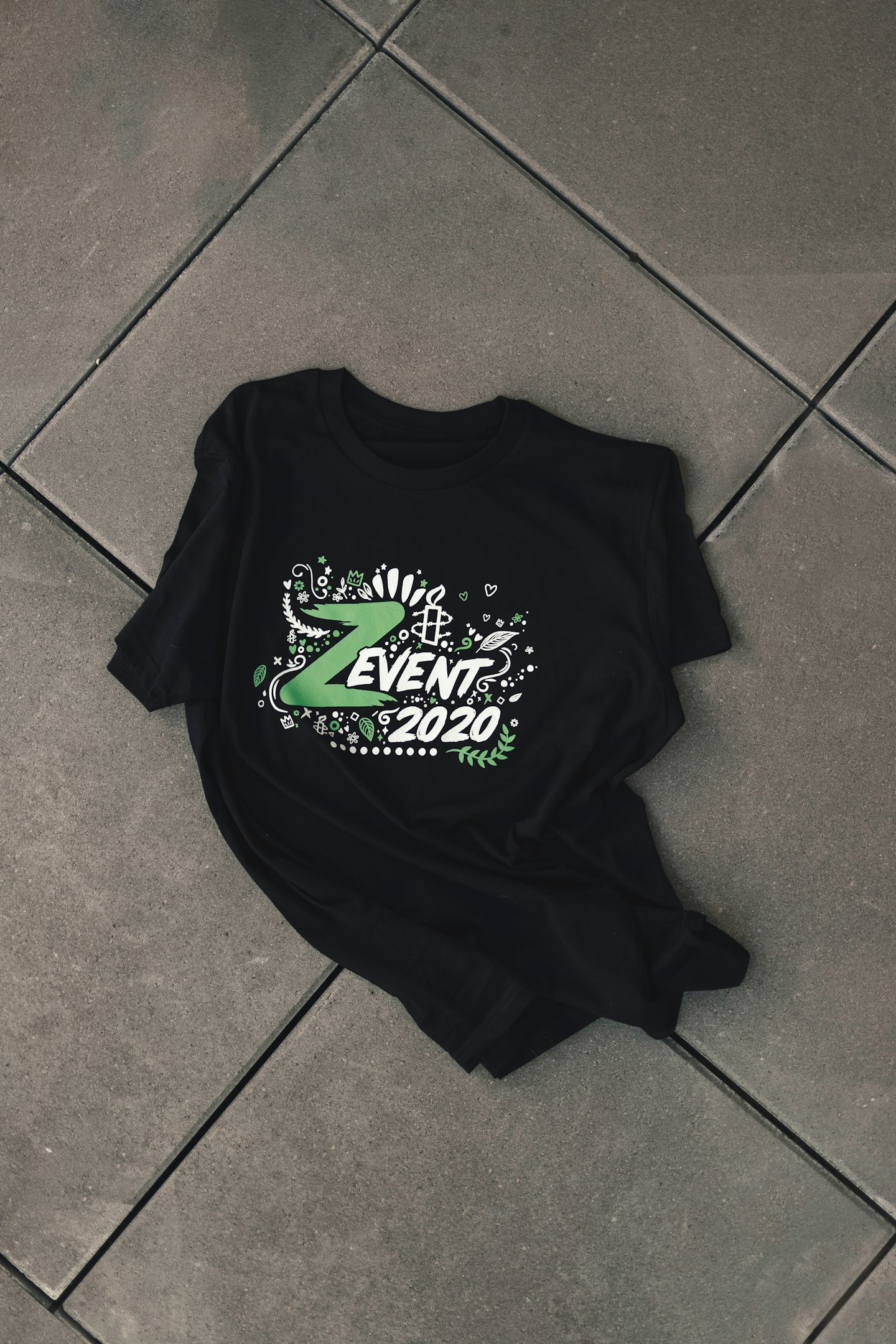
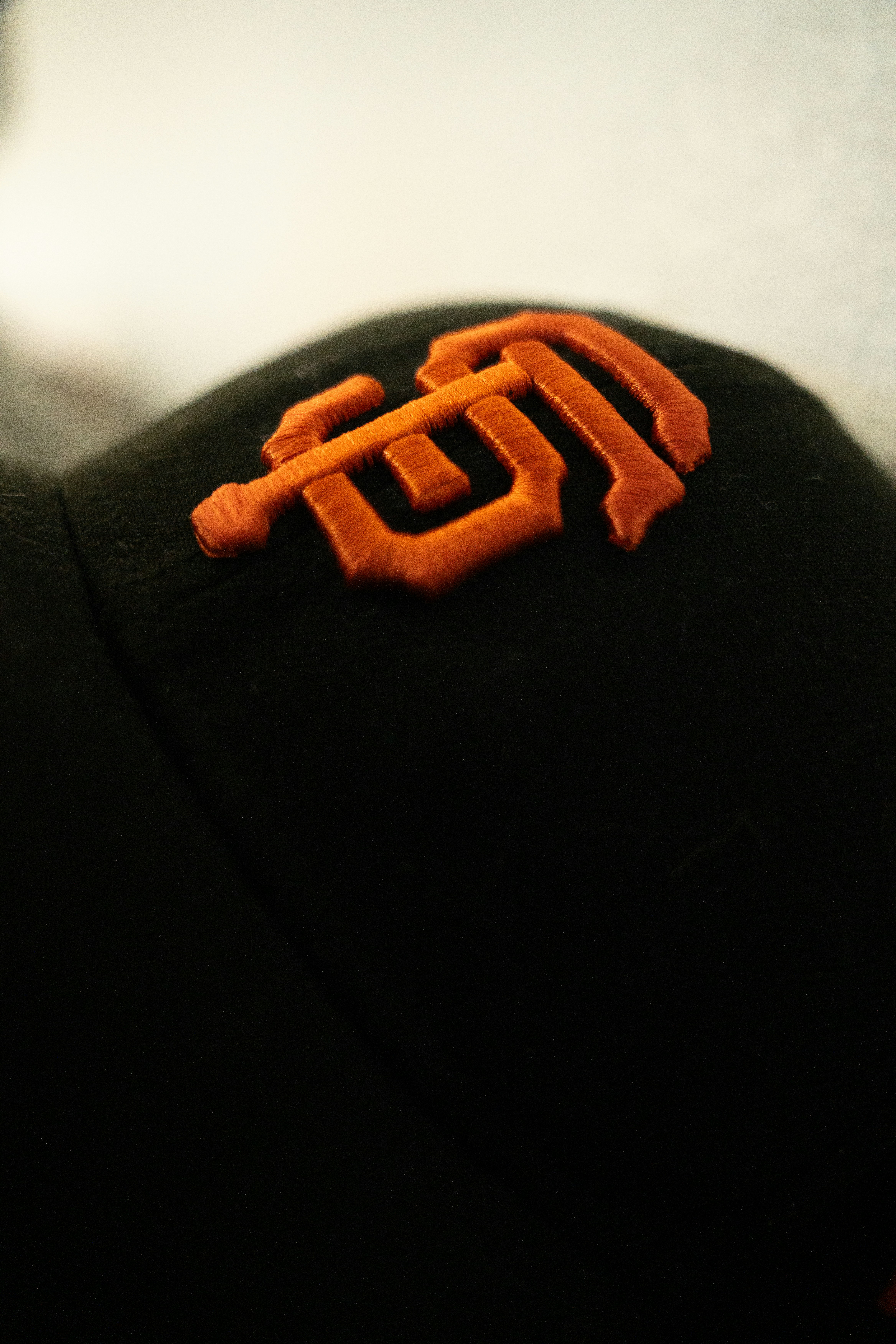
Colourflex® is a CMYK+W digital print process, used for branding apparel and fabrics.

Advantages

Ideal for producing full colour, complex images as well as approximate spot colour branding.

High definition, vibrant matt finish artwork that is suitable on a range of garment fabrics.

Eco-friendly water-based inks.

Durable, flexible branding for apparel that is machine washable with a soft-touch matt finish.

Efficient self-weeding technology.

Only one set up charge is required regardless of the number of print colours.

Can be shipped straight after being printed.

Limitations

Some colours cannot be reproduced including metallic and neon/fluorescent colours.

A thin, clear line of glue can sometimes be seen around the edges of the image.

Unable to print variable data.

Minimum detail advised at 1mm.


white wooden house on field under white sky

Embroidery


Embroidery is an excellent way of branding bags, apparel, and other textile products. It offers higher perceived value and a depth of branding quality which other processes cannot match. Embroidery uses rayon thread which is stitched into the product and has a slightly raised effect.

Advantages

Only one setup charge applies per position for up to 12 thread colours.

Limitations

Only approximate PMS colour matches are possible - the threads to be used are chosen from those available to give the closest possible match. RequestExternal link opens in new tab or window our thread colour chart for the colours available.
Unable to print variable data such as individual naming.
Metallic embroidery colours have special pricing.

DigiFlex Transfer


DigiFlex Transfer is a DTF or Direct to Film digital transfer process, used for branding apparel and fabrics.

Advantages

More economical for short runs.
Ideal for personalisation and variable data, including names and numbering.
Eco-friendly water-based inks.
Durable, flexible branding for apparel that is machine washable.
Efficient self-weeding technology.
Only one set up charge is required regardless of the number of print colours.
Can be shipped straight after being printed.

Limitations

Some colours cannot be reproduced including metallic and neon/fluorescent colours.
Minimum detail advised at 1mm.


a person with their head in their hands


Faux Embroidery


Faux Embroidery is a Colourflex® Transfer with the supplied artwork digitised to create a texture and depth that mimics traditional embroidery. Suitable for branding bags, apparel and other textile products with unlimited colours.

Advantages

Durable, flexible branding for apparel that is machine washable with a soft-touch matte finish.
Eco-friendly water-based inks.
Efficient self-weeding technology. 
Only one set up charge is required regardless of the number of print colours.
Can be shipped straight after being printed.
Can be applied to a larger range of products and positions.
Results on smaller sized prints is far better than can be achieved with conventional embroidery.

Limitations

Pantone colour matching is not available. Artwork will be matched to the closest available thread colour with a 3D shading that will affect the colour outcome.
Not suitable for fine details in the artwork – bold larger art is recommended to create the most realistic Faux Embroidery.
As the size of the design decreases, both stitch clarity and detail resolution be reduced.
Metallic colours not available.


Direct Digital


Direct digital printing involves the transfer of ink directly from the print heads of an inkjet machine to the product and can be used to produce both full colour and closely matched spot colour branding on flat or slightly curved surfaces.

Advantages

Ideal for printing dark coloured products as a layer of white ink can be printed under the artwork.
Variable data including individual names is available on select products.
Dried instantly so products can be shipped immediately.
Offers larger print areas on many products and can print very close to the edge of flat products.
Only one set up charge is required regardless of the number of print colours.

Limitations

Some colours cannot be reproduced including metallic and neon/fluorescent colours.
The size of branding areas is limited on curved surfaces.
Larger print areas can be more expensive.


Digital Print


This production method is used for printing media such as paper, vinyl and magnetic material used in the manufacture of labels, badges, and fridge magnets etc. This printing process uses CMYK values.

Advantages

Ideal for producing full colour, complex images with gradients.

Variable data including individual names is available on select products.
Only one set up charge is required regardless of the number of print colours.
Dries instantly so products can be shipped immediately.
Select products can be cut to custom shapes.
Edge-to-edge branding can be achieved on certain products.

Limitations

Metallic and neon/fluorescent colours are not available.

White print cannot be produced on kraft, clear, silver or gold stock.
Cannot print on dark coloured substrates as white ink cannot be printed underneath the artwork


Silicone Digital Print


This production method is a CMYK+W digital branding process designed specifically for silicone surfaces.

Advantages

Provides crisp, clear, high-definition artwork.

Durable, flexible branding that can be hand washed.
Perfect for printing dark coloured products as a layer of white ink can be printed under the artwork.
Ideal for producing full colour images as well as approximate spot colour branding.
Has a matt finish and does not crack or fade with typical use of product.
Only one set up charge is required regardless of the number of print colours.

Limitations

Some colours cannot be reproduced including metallic and neon/fluorescent colours.

Unable to print variable data.
Minimum detail is advised to be no finer than 0.7mm.


Digital Packaging Print


Digital Packaging Print offers a single-pass CMYK digital print onto a range of materials.

Advantages

Ideal for producing full colour, complex images with gradients.

Variable data, including names, is available on select products.
Only one setup charge is required regardless of the number of print colours.
Dries instantly, so products can be shipped immediately.
Digital Packaging Print uses dye so there is no ink build-up.

Limitations

Some colours, including closely matched PMS, RGB, metallic and neon colours, cannot be produced.

Cannot print on dark coloured substrates as white ink cannot be printed underneath the artwork.
Edge-to-edge branding and large block colours cannot be achieved.


Rotary Digital Print


Direct to product rotary digital printing involves the transfer of UV ink and a varnish coating from inkjet print heads and can be used to produce detailed gloss artwork using both closely matched spot colours and full colour branding.

Advantages

Ideal for large or complex full colour gloss prints.

The print is dry and ready to ship as soon as the product is printed.
Only one setup charge is required regardless of the number of print colours.
No loss of print vibrancy, even on darker products.

Limitations

Production speed is limited so lead times can be longer in some cases.

Some colours cannot be reproduced including metallic and neon/fluorescent colours.
As the print does not wrap completely around the product, there is a small gap between the start and end of the print.
More expensive than other branding options.
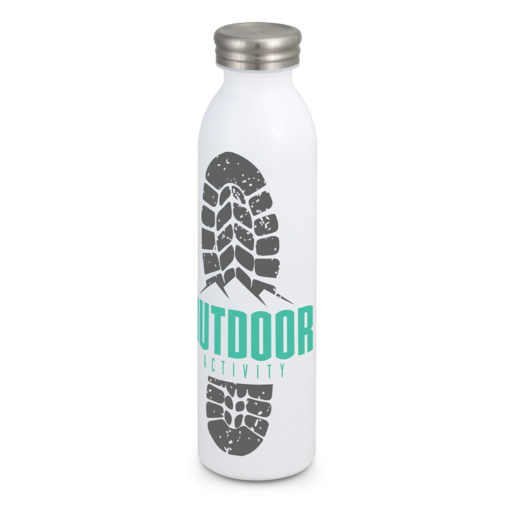
Suitable for: drink bottles, vacuum bottles, tumblers, travel mugs, shakers, sports bottles, promotional drinware


UVDTF Print


UVDTF (UV Direct to Film) is an innovative branding method that produces vibrant full-colour transfers which can be applied to a wide variety of hard surfaces. The process allows detailed logos and artwork to be reproduced with exceptional clarity and colour accuracy, making it ideal for promotional products, giftware and custom-branded merchandise

Advantages

Produces vibrant full-colour branding with excellent clarity and detail.

Suitable for logos with gradients, fine details and multiple colours.

Can be applied to a wide range of smooth hard surfaces.

No minimum colour limitations, allowing complex artwork to be reproduced accurately.

Durable finish with excellent resistance to scratching and fading.

Ideal for short runs and personalized products.

Limitations

Best suited to smooth, hard surfaces and may not adhere to some textured materials.

Not recommended for products exposed to harsh commercial washing processes.

Metallic and specialty finishes may require alternative branding methods.

Application size may be limited by the shape and contours of the products.

Suitable For: Drink bottles, coffee cups, tumblers, notebooks, gift boxes, powerbanks, cooler boxes, Bluetooth speakers, phone stands, desk accessories, promotional products, corporate gifts


Puff Print


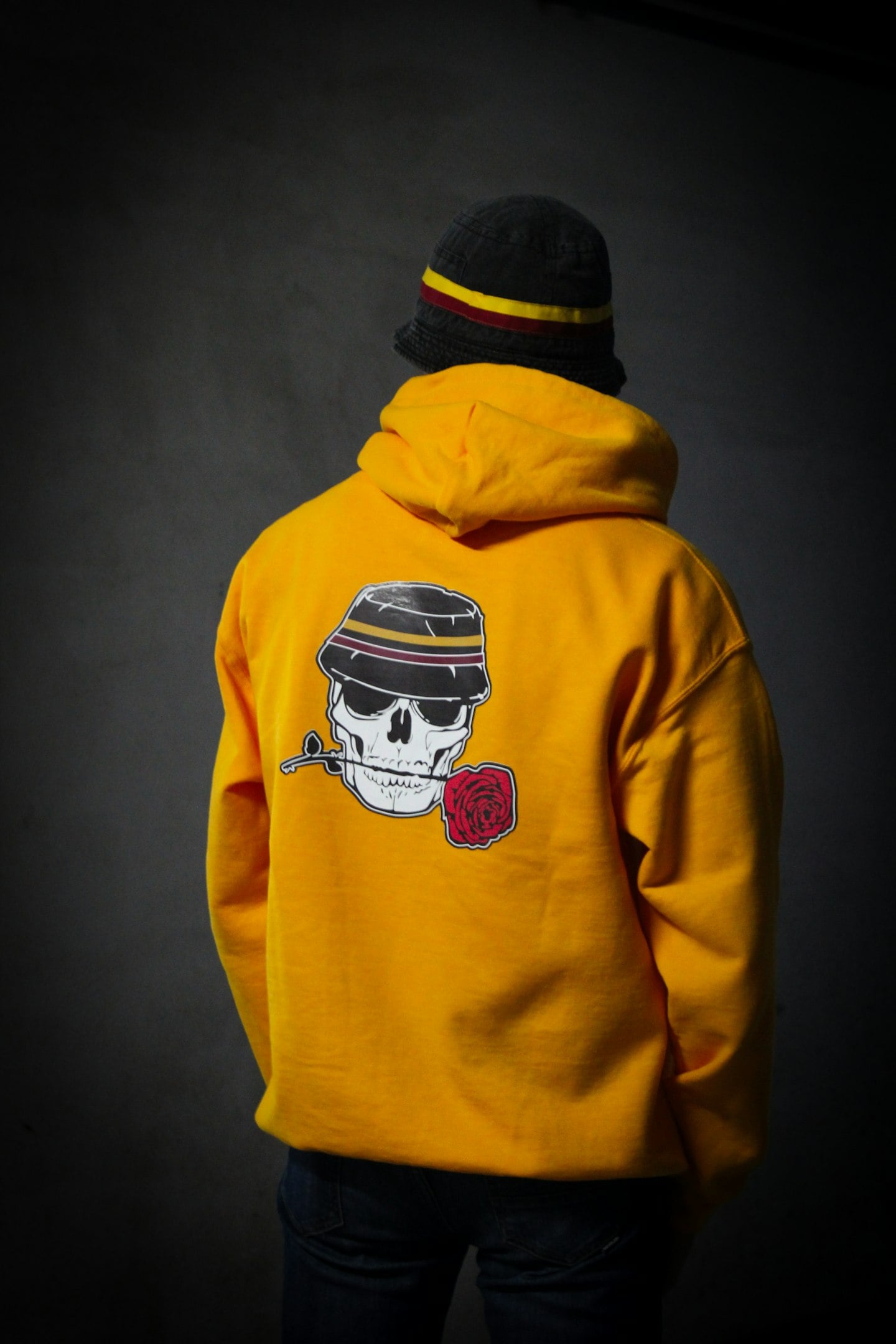
Puff Print is specialty Screen Print process used for branding apparel. Puff Print uses a special ink which expands during curing to create a raised, textured, three-dimensional finish. Puff Print is best suited to bold logos, large typography and simple graphics elements where a tactile, retail-inspired look is desired.

Advantages

Adds a retail-style finish to garments

Produces a highly tactile and eye-catching result.

Can be combined with one colour screen print to add dimension to your design.

Durable and long-lasting branding process

Ideal for hoodies, sweatshirts, t-shirts and promotional apparel.

Limitations

Not suitable for fine detail, thin lines or gradients.

Small text and tight spacing may close during puff print expansion.

Exact colour matching cannot be guaranteed.

Puff Print expansion can vary slightly across different garment types.

Puff Print is available in one colour per artwork

Suitable for: Hoodies, sweatshirts, t-shirts, crew necks, fashion apparel, merch Collections, streetwear, teamwear


Rotary Screen Print


Rotary Screen Printing is achieved by forcing ink through a fine mesh screen with a squeegee onto the product and is ideal for cylindrical objects.

Advantages

Large print areas are possible on cylindrical products.

Close PMS matches are possible on white or light-coloured products.
Most screen print inks are quick drying and can be shipped immediately after printing.
Metallic gold and silver colours are available.
Many products can print five colours (including white) with tight multi-colour registration.

Limitations

Close PMS matches are more difficult on darker products and will only be approximate. In some instances, a white base will create a better print.

Unable to print variable data.
Each colour requires its own setup charge.
Suitable for: drink bottles, vacuum bottles, tumblers, travel mugs, shakers, sports bottles, promotional drinware


Screen Print


Screen Printing is achieved by forcing ink through a fine mesh screen with a squeegee onto the product and is ideal for branding flat objects.

Advantages

Large print areas are possible on flat products.

Close PMS matches are possible on white or light-coloured products.
Most screen print inks dry quickly and can be shipped immediately after printing.
Fluorescent, metallic gold and silver inks are available on select textile products.
Many products can print with tight multi-colour registration, with some products able to be printed using up to five colours.

Limitations

Close PMS matches are more difficult on darker products and will only be approximate. In some instances, a white base will create a better print.

Unable to print variable data.
Each colour requires its own setup charge.


Pad Print


Pad printing uses a silicone pad to transfer an image to a product from a laser etched printing plate. It is one of the most popular and affordable ways of branding promotional products due to its ability to reproduce images on uneven or curved products and print multiple colours in a single pass.

Advantages

Ideal for printing on curved or uneven products.

Prints sharp, clean images with detail as fine as 0.4mm, minimum text size is 5pt.
Close PMS matches are possible on white or light-coloured products.
Metallic gold and silver ink are available.
Can offer a white under base for the darker products that require it.
Many products can print up to 6 colours with tight multi-colour registration.

Limitations

Halftones cannot be consistently reproduced.

Unable to print variable data such as individual naming.
Close PMS matches are more difficult on darker products and will only be approximate. In these instances, a white base will create a better print.
Some pad print inks require a curing period before the product can be shipped.
Each colour requires its own setup charge.
Neon/fluorescent colours are not available.


Sublimation


Dye sublimation print is used for branding products that have a special coating on them, or fabrics suitable for the sublimation process. A transfer is produced by printing sublimation ink onto transfer paper and then heat pressing it onto the product.

Advantages

Sublimation ink is a dye so there is no ink build-up. The finished print is embedded in the product.

Ideal for producing vivid full colour images as well as closely matched spot colour branding.
Variable data including individual names is available on select products.
Edge-to-edge branding can be achieved on some products.
Only one set up charge is required regardless of the number of print colours.

Limitations

Can only be used on suitable products with white surfaces.

Some colours cannot be reproduced including white, metallic, and neon/fluorescent colours.
Fine detail/text may experience minor colour bleed across adjacent design elements.


Debossing


Commonly referred to as ‘Blind’ debossing, a heated custom metal plate is pressed firmly onto the product leaving an impression of the artwork.

Advantages

Higher perceived value than other forms of branding.

The branding becomes part of the product and is permanent.
The product can be shipped as soon as heat pressing is finished.
Certain products can produce a two-tone finish.

Limitations

Can be very subtle and harder to see, especially on textured materials.

Unable to print variable data such as individual naming.
Minimum line thickness: 0.4mm.


Thermo Debossing


Thermo debossing is only available on certain products, using additional heat to create a unique and eye-catching two-tone finish.

Advantages

Produces a two tone finish that means it stands out.

Higher perceived value than other forms of branding.
The branding becomes part of the product and is permanent.
The product can be shipped as soon as heat pressing is finished.

Limitations

Unable to print variable data such as individual naming.

Minimum line thickness: 0.4mm.


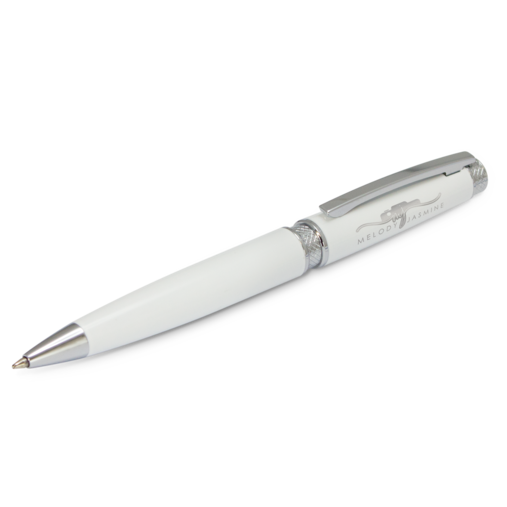
Laser Engraving


Laser engraving is a permanent branding process that engraves artwork into the surface of the product using a laser. Different materials produce different engraving finishes, to avoid uncertainty pre-production samples are recommended.

Advantages

Higher perceived value than other forms of branding.
The branding becomes part of the surface and is permanent.
Large branding areas available on curved products.
Variable data including individual names is available on select products.
The product can be shipped straight away after being engraved.

Limitations

Fine detail can be lost on smaller products like pens.


Imitation Etch


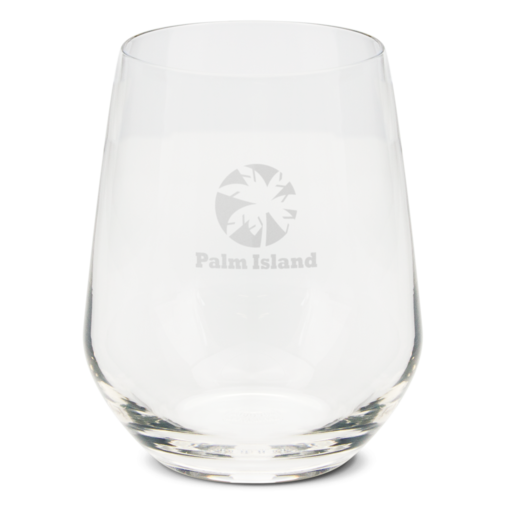
Imitation etch uses a special ink in to produce an etch-like effect on glass products via pad or screen print.

Advantages

Much more affordable than real etching.
Can brand curved or uneven products.
Produces a subtle finish with a higher perceived value that looks like etching.

Limitations

Halftones cannot be consistently reproduced.
The size of branding areas is limited on curved surfaces.
Requires a curing period before the product can be shipped.
Unable to print variable data.


Foil Printing


Foil Printing is a printing method that applies a metallic foil onto a flat surface using heat and pressure. However, this method utilises modern digital foiling, which is more cost-effective and eliminates the need for plates or stamps, allowing for direct printing from a digital file to the product.
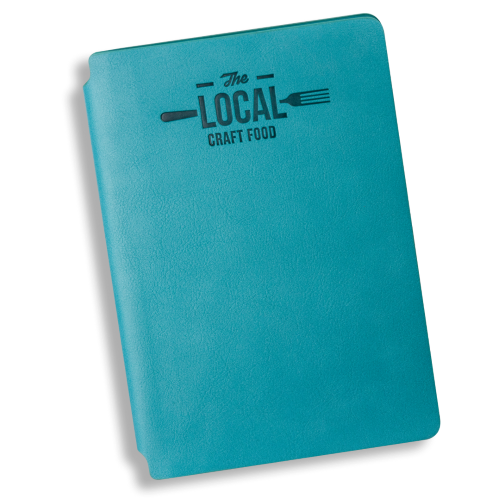
The printing will inherit the texture of the substrate, so textured notebooks will cause the foil to reflect that texture. The foil finish will vary slightly when applied to soft-touch PU compared to Standard PU due to the different substrates. The available foil colour options include Gold, Silver, and Copper.

Advantages

Higher perceived value than other forms of branding.
The product can be shipped as soon as printing is finished.
Offers variable data such as individual naming.
The foil is flexible which means it is suitable for softcover notebooks.

Limitations

Detailed artwork can get lost on textured substrates.
Min line thickness 0.4mm for smooth substrates.
Min line thickness 1mm for textured substrates.


Hot Stamping


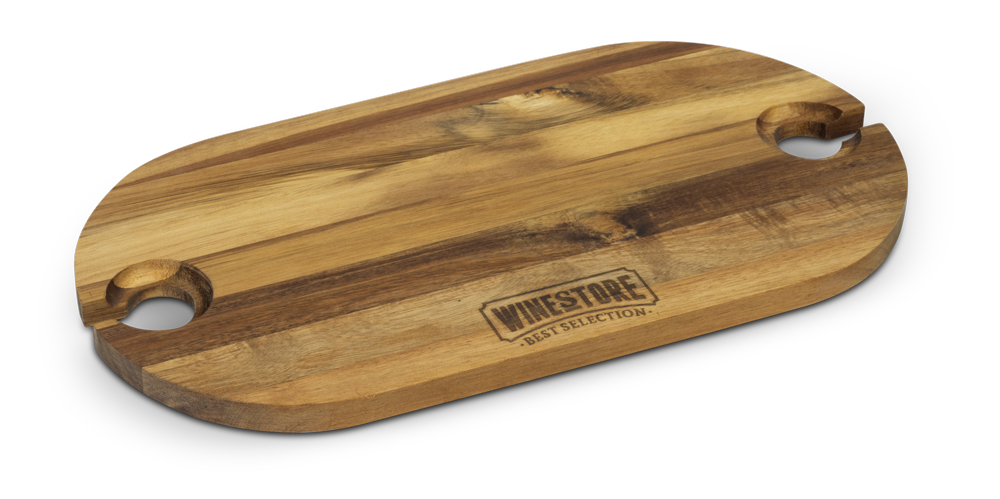
Hot Stamping is a printing method that creates an indented design on the product surface using a heated custom metal plate. This plate is pressed firmly onto the product surface, leaving a permanent impression of the artwork. It's often used on materials like wood.

Advantages

Higher perceived value than other forms of branding.

The branding becomes part of the product and is permanent.
The product can be shipped as soon as heat pressing is finished.
Certain products can produce a two-tone, contrasting finish.

Limitations

Unable to print variable data such as individual naming.

Large block artwork can produce an inconsistent print result.
Minimum line thickness: 0.4mm.


Resin Coated Finish


This CMYK branding process is produced by printing artwork onto a vinyl material with strong adhesive on the reverse. The branded area is then coated with a crystal-clear resin. Once dry, the finished decal is applied to the product and the adhesive forms a permanent bond.

Advantages

Ideal for producing vivid full colour images as well as closely matched spot colour branding.
Produces a stunning 3D effect that elevates the perceived value of a product.
Variable data including individual names is available on select products.
Edge-to-edge branding can be achieved on the resin coated area.
Only one set up charge is required regardless of the number of print colours.

Limitations

Larger print areas can be more expensive.
White, metallic gold, silver and neon colours cannot be printed.
The resin needs to be cured for one day before shipping the product.
Laser Engraving
Laser Engraving
Hot Stamping
Hot Stamping
Imitation Etch
Imitation Etch
Pad Print
Pad Print
Digital Rotary Print
Silicone Digital Print
Resin Coated Finish
Resin Coated Finish
Thermo Debossing
Thermo Debossing
Rotary Screen Print
Rotary Screen Print
0


Column

address


PO Box 466, Silverdale, Auckland, NZ, 0944

Column

Open Hours


Monday
8:00 am - 5:00 pm
Tuesday
8:00 am - 5:00 pm
Wednesday
8:00 am - 5:00 pm
Thursday
8:00 am - 5:00 pm
Friday
8:00 am - 5:00 pm
Saturday
Closed
Sunday
Closed
Column

Get In Touch


  • External link opens in new tab or window0210372265
  • External link opens in new tab or windowinfo@brand-d.co.nz
  • External link opens in new tab or windowLinkedIn
  • External link opens in new tab or windowInstagram
Powered by Hostpapa
close lightbox